


Supporting Siblings Through Childhood Cancer

Posted on January 7, 2026 in Cancer Information

Written by Dr. Doline

Learn more about the author

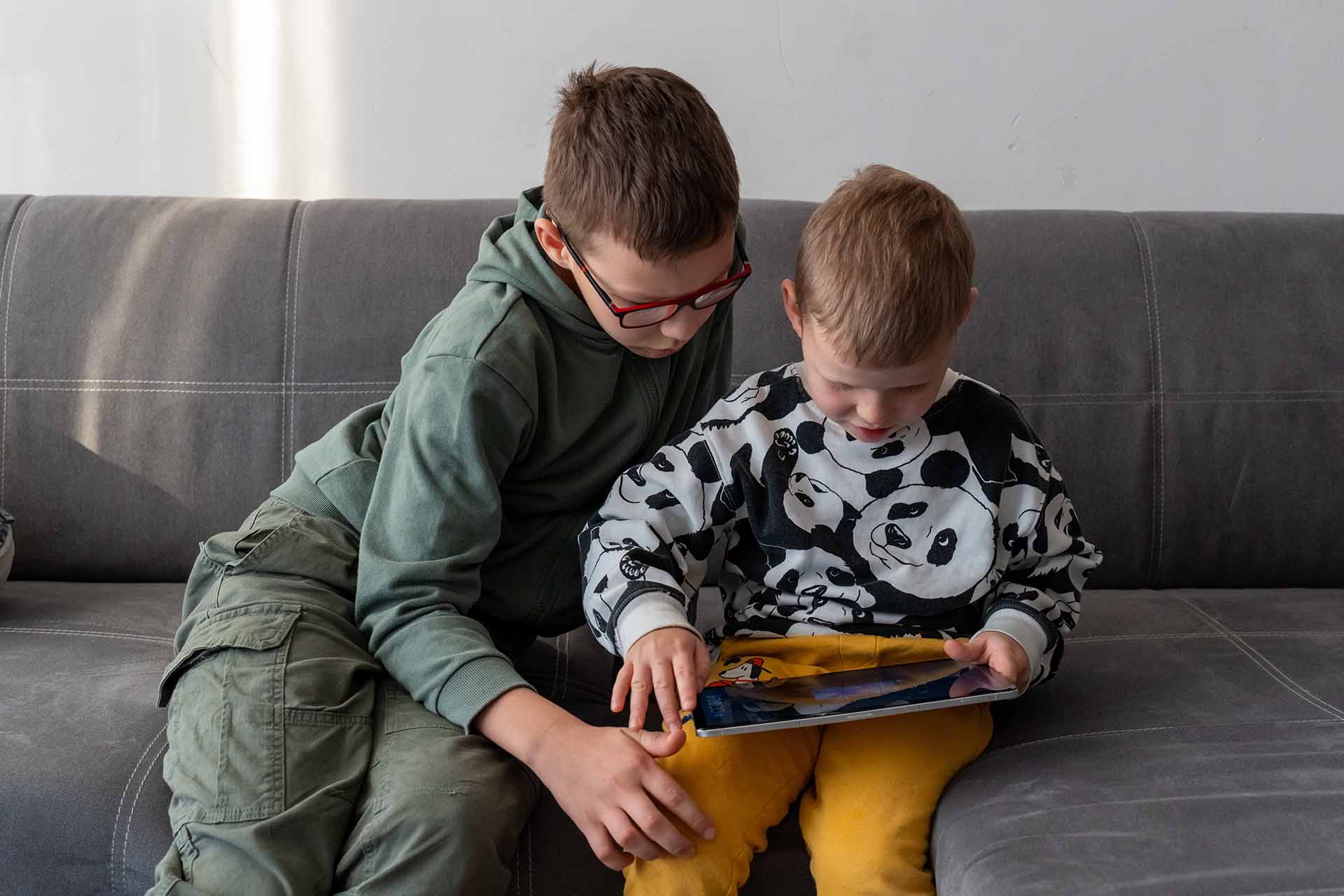
A pediatric cancer diagnosis affects the entire family. As parents focus on medical decisions, treatments, and daily care for the child who is ill, it’s common for siblings to experience their own quiet struggles. Many siblings feel confused about what’s happening, frightened by changes they don’t fully understand, or lonely as routines shift.

While it’s natural for attention to center on the child receiving treatment, siblings of children with cancer need support too. This guide is designed to help parents recognize what siblings may be experiencing, communicate openly and age-appropriately, and find practical ways to offer reassurance and stability.
Understanding What Siblings Experience

A childhood cancer diagnosis affects siblings in powerful ways, often bringing big emotions and sudden changes to family life. Recognizing these experiences is an important step in supporting siblings of children with cancer.

Siblings of children with cancer may experience:

  • Emotional responses: Siblings may experience fear, anxiety, sadness, anger, jealousy, guilt, or loneliness. These emotions are normal, but children may struggle to express them or worry about adding stress to their parents. Without reassurance, siblings may internalize these feelings or act them out in unexpected ways.
  • Changes in family dynamics and routines: Cancer treatment often disrupts daily schedules, household roles, and family traditions. Parents may spend long hours at the hospital or divide their time between children, which can leave siblings feeling unsure of what to expect from day to day.
  • Feeling “invisible” or overlooked: While parents are doing their best in an incredibly difficult situation, siblings may feel unintentionally overlooked as attention centers on the child who is ill. This can lead some children to withdraw, while others may try to “be extra good” or suppress their own needs.
  • School and social challenges: Siblings of children with cancer may struggle with concentration, academic performance, or behavior at school. Some children also find it difficult to explain their family situation to friends, which can lead to changes in peer relationships.

It’s also important to recognize that siblings’ reactions often look different depending on their age.

  • Preschool-aged children may struggle to understand cause and effect and may believe they somehow caused the illness.
  • School-age children often want clear, concrete explanations but may hide their emotions to avoid worrying their parents.
  • Teenagers may understand the medical realities more fully, yet feel pressure to grow up quickly, take on extra responsibility, or manage intense emotions privately.

Regardless of age, research shows that without intentional support, siblings of children with cancer are at increased risk for emotional, behavioral, and academic difficulties.1

Open Communication: Talking to Siblings About Cancer

When a child is diagnosed, siblings of children with cancer often sense that something serious is happening, even if details aren’t shared right away. Clear, age-appropriate conversations play an important role in helping siblings cope with cancer by reducing fear, building trust, and encouraging emotional expression.

The communication strategies below can help siblings cope with cancer:

chevron_right

Use Age-Appropriate, Honest Explanations

Children don’t need every medical detail, but they do need truthful information they can understand. Younger children may benefit from simple explanations about illness and treatment, while older children and teens often want more specific answers. Avoid vague reassurances, which can unintentionally increase anxiety, and let siblings know it’s okay to ask questions as they arise.

chevron_right

Address Common Fears and Misunderstandings

Siblings of children with cancer often carry fears they don’t know how to voice. Some believe cancer is contagious or think that something they said, thought, or felt caused the illness. Others may worry that their sibling will die, but keep those fears to themselves. Gently and directly addressing these beliefs helps relieve anxiety.

chevron_right

Prepare Them for Visible Changes

Children may notice changes in their sibling, such as hair loss, low energy, or shifts in mood. They may also be exposed to unfamiliar medical settings. Preparing siblings for what they might see and explaining these changes in simple, age-appropriate terms can make the experience feel less overwhelming.

chevron_right

Encourage Questions and Emotional Expression

Helping siblings cope with cancer also means creating space for feelings. Let siblings know that all emotions, from anger and sadness to jealousy and confusion, are valid. Some children may ask many questions right away, while others need time. Follow their lead.

chevron_right

Involve the Care Team When Helpful

Sometimes siblings benefit from hearing explanations from a trusted medical professional. Child life specialists, nurses, social workers, or physicians can help explain cancer and treatment in ways that feel safe and reassuring.

Maintaining Normalcy and Routine

When your brother or sister has cancer, familiar routines are often disrupted by frequent medical appointments and hospital stays. Even so, maintaining as much structure as possible is an important part of helping siblings cope with cancer.

Whenever possible, parents can support siblings by:

  • Maintaining consistent rules and discipline: Familiar expectations provide reassurance and help children feel safe, even when emotions are running high.
  • Keeping school and extracurricular activities in place: Regular schedules, time with friends, and familiar commitments offer a sense of continuity.
  • Preserving daily routines: Mealtimes, bedtimes, and family rituals offer predictability and help siblings of children with cancer cope.
  • Giving siblings choices when plans change: When your brother or sister has cancer, small decisions like choosing a meal or activity can restore a sense of control.
  • Carving out individual attention: Even brief one-on-one moments reinforce that siblings are seen and valued.

Practical Ways to Include and Support Siblings

Siblings of children with cancer often want to feel connected and included, even if they don’t know how to say it.

As a parent, you might consider:

  • Including siblings in hospital experiences when appropriate. Introducing them to members of the care team, showing them around the hospital, or explaining equipment in simple terms can make unfamiliar settings feel less intimidating.
  • Offering age-appropriate ways to help. Younger siblings might read a story, choose a favorite toy, or draw pictures, while older children may help with small tasks or offer companionship.
  • Staying connected during physical separation. When medical appointments or hospital stays limit time together, video calls, texts, drawings, or notes can help siblings stay emotionally connected.
  • Prioritizing one-on-one time. Even short, consistent moments with a parent, such as a walk, a bedtime routine, or a shared meal, can offer much-needed stability.
  • Acknowledging their own challenges. Helping siblings cope with cancer also means recognizing their worries, frustrations, and everyday problems that exist apart from the illness.

Working with Schools and Outside Support

Schools can be an important source of stability for siblings of children with cancer, especially when home routines are disrupted.

Parents may find it helpful to:

  • Inform teachers and school counselors about the family situation so they can respond with awareness and flexibility.
  • Ask about available school supports, such as counseling check-ins, adjusted workloads, or extra academic assistance if needed.
  • Watch for academic or behavioral changes, including difficulty concentrating, withdrawal, irritability, or declining grades.
  • Build a family-school partnership by maintaining open communication and sharing updates as treatment schedules or family needs change.

When to Seek Professional Help

Emotional ups and downs are common when your brother or sister has cancer, but some signs may indicate that a sibling needs additional support.

Consider seeking professional help if a sibling shows:

  • Persistent sadness, anxiety, or withdrawal that lasts several weeks
  • Significant changes in behavior, such as increased anger, aggression, or regression
  • Ongoing sleep disturbances, frequent physical complaints (like stomachaches or headaches), or changes in appetite
  • A noticeable decline in school performance, concentration, or interest in activities they once enjoyed
  • Expressions of excessive guilt, fear, or worry about the illness that interfere with daily life

Many families find it helpful to connect with professionals who specialize in supporting children affected by serious illness. Hospital-based social workers, psychologists, and child life specialists are experienced in helping siblings process emotions and develop healthy coping skills.

In addition, community resources and support groups can offer a valuable sense of connection. Meeting other siblings who are going through similar experiences can help children feel seen and supported.

Resources for Siblings and Families

When your brother or sister has cancer, access to trusted resources can help siblings feel less alone and give parents practical tools for helping siblings cope.

Helpful resources include:

  • SuperSibs (Alex’s Lemonade Stand Foundation): This nationally recognized program is designed specifically to support siblings of children with cancer through age-appropriate education, peer connection, and emotional validation.
  • Hospital-based sibling programs: Many pediatric cancer centers offer programs led by child life specialists or social workers that help siblings understand treatment, express emotions, and feel included in care.
  • Books for different ages: Books like “When Someone Has a Very Serious Illness” by Marge Heegaard and “Oliver’s Story” by Michael Dodd offer gentle explanations and reassurance tailored to different developmental stages.
  • Online support groups: Virtual support groups provide opportunities for siblings and parents to connect with others who share similar experiences.
  • National organizations: Organizations such as the American Cancer Society, CancerCare, and the National Cancer Institute offer family-centered education, counseling resources, and referrals to additional support services.

FAQs

Are strong emotions normal for siblings of children with cancer?

Yes. Siblings of children with cancer often experience a wide range of emotions, including fear, anger, sadness, jealousy, guilt, and loneliness. Helping siblings cope with cancer starts with acknowledging that their emotions are valid and worthy of attention.

How can I include siblings in age-appropriate ways?

Inclusion looks different depending on a child’s age. Younger children may feel comforted by simple explanations or small tasks, like drawing pictures or choosing a comfort item for their sibling. School-age children often want clear information and may appreciate visiting the hospital or helping in small ways. Teenagers may value honest conversations and opportunities to contribute while still maintaining independence.

How do I handle jealousy or resentment from siblings?

Jealousy is common when your brother or sister has cancer. As a parent, try to name the feeling without judgment and reassure siblings that their needs still matter.

How can I explain why I’m away so often?

Explain to your child that you’re caring for their sibling and let them know how long you expect to be gone and who will be with them while you’re away. Being clear and predictable helps siblings of children with cancer cope.

When should I seek professional help for a sibling?

Consider reaching out for support if a sibling shows ongoing changes in behavior, mood, sleep, or school performance, or if anxiety or sadness interferes with daily life. Social workers, child life specialists, and counselors experienced in helping siblings cope with cancer can provide valuable support.

Moving Forward Together, as a Family

A childhood cancer diagnosis can turn family life upside down. Between appointments, treatments, and the constant unknowns, parents often find themselves in survival mode, focused on the child who’s sick while doing their best to keep everything else moving forward.

Meanwhile, siblings may feel confused, scared, left out, or even guilty, without knowing how to put those feelings into words. Making space to support siblings of children with cancer helps them feel reassured during a time when so much attention is understandably elsewhere.

At SERO, we believe caring for a child with cancer means caring for the whole family. That’s why our team takes a family-centered approach. By offering clear communication, coordinated care, and access to helpful resources, we work with families to help everyone feel more supported as they move forward together.

If your child is undergoing cancer treatment and you have questions about support for siblings or family resources, reach out to SERO today. Our team is here to help.

Sources

  1. https://pmc.ncbi.nlm.nih.gov/articles/PMC2889700/